
Window wisdom · 3 min read
Those stubborn spots aren’t just dirt.
By Platinum Plague · Home-care guides
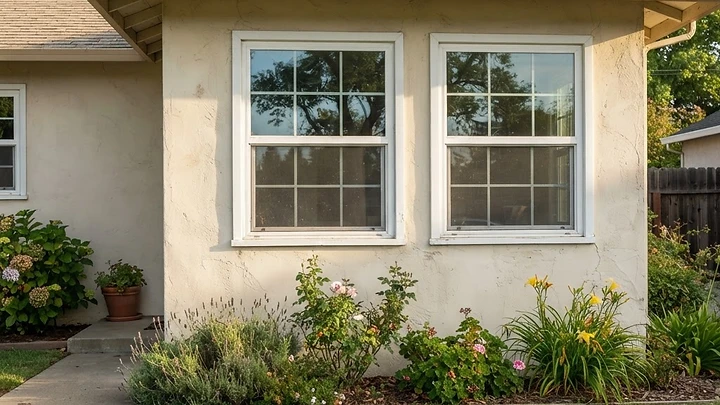
Illustrative image
You wipe the window, let it dry, and there they are again: little pale rings or cloudy patches that seem determined to stay. Hard-water spots aren’t always ordinary grime. They’re often mineral deposits left behind after water dries on the glass.
The water disappears. The minerals stay.
Water can carry dissolved minerals, including calcium and magnesium. When droplets evaporate, some of that material can remain on the surface. Repeated wetting and drying can build up visible deposits. Sprinklers aimed at the windows are a common source, but other runoff or repeated contact with mineral-rich water can contribute too. Not every glass mark has the same cause, so a close assessment matters.
Why another quick wipe may not do it
An everyday glass cleaner can handle many smudges without removing firmly attached mineral buildup. Rubbing harder isn’t automatically better; abrasive pads and unsuitable products can damage glass, coatings, or nearby finishes. If marks remain after routine cleaning, the next step is identifying the deposit and the surface—not treating every window with the same stronger chemical or tool.
How we tackle stubborn deposits
We look at the type and condition of the glass before choosing an appropriate treatment. Where the surface allows it, professional techniques may include carefully controlled razor scraping to remove stubborn attached material. A razor is not safe for every window: coated, filmed, or some tempered glass can be damaged by scraping. We only use a method when it is suitable for that particular surface. This is professional assessment, not a DIY blade tutorial.
A deposit and permanent damage are different things
Some cloudiness is material on the surface; some can be permanent etching or other glass damage. Cleaning can remove suitable surface deposits, but it cannot promise to reverse every kind of damage. We’ll explain what we find and any limits before treatment. An honest expectation is much better than a promise that every pane will look brand new.
Help stop the cycle—not just the spots
Removing the buildup is only part of the plan. Redirecting sprinklers away from windows, addressing repeated runoff, and choosing a sensible cleaning routine can reduce fresh deposits. We’ll discuss prevention measures appropriate to your glass and its exposure. No treatment can guarantee a window never spots again, especially if mineral-rich water keeps hitting it—but tackling the source makes a real difference.
Want a little help with that?
Let’s talk about window cleaning for your home. Friendly advice starts with a free quote.


